
It was the war to end all wars. In 1914, catastrophe struck Europe as great power diplomacy failed and alliance systems mobilised vast armies against one another in a conflict that dragged on in bloody stalemate for four long years. Nations geared their entire economies towards victory and called up their populations into active service. The intense fighting cost millions of lives and devastated the landscape. British photographers and cameramen were sent to the heart of the action to capture what was happening for the public at home.
But this was also the age of modernism in art. Young painters had been rejecting photographic realism for the expression of emotion and the celebration of the machine age, and the government gave artists extraordinary freedom to depict their experience of the conflict.
What they encountered, the decimated earth and blasted trees of the trenches, devastated cities. Bodies blown to bits were as fragmented and as deconstructed as the most avant garde images painted by cubists and futurists in the preceding decade, and those paintings of the Western Front were some of the most shocking and powerful works of art from any period in history.
In this documentary historians Stephen Badsey, Rebecca Newell and Gordon Corrigan analyse the impact of World War One on contemporary artwork that depicted the brutal and bloody conflict.
Up Next in World War One
-
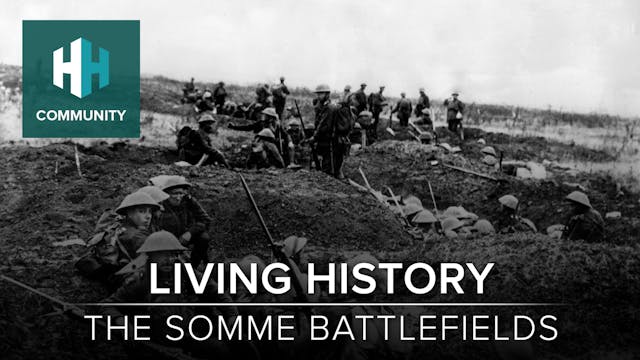
Living History: The Somme Battlefield...
The Battle of the Somme, which began on 1 July 1916, is remembered as one of the bloodiest events of the First World War. On the first day of the offensive, one man was killed every 4.4 seconds, making it the bloodiest single day in the history of the British Army. There were over a million casua...
-
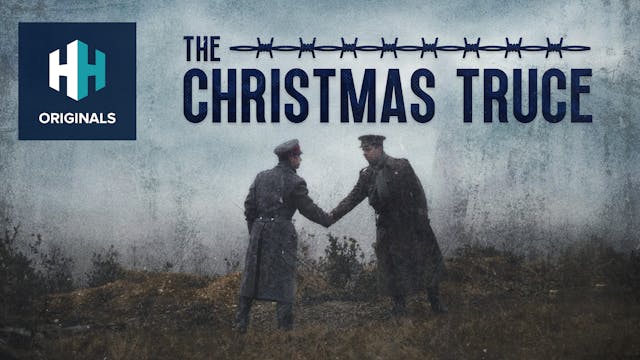
The Christmas Truce
On Christmas Eve 1914 many sectors of the Western Front in France and Belgium fell silent. Troops from all sides put down their weapons and sang carols, exchanged gifts and buried their dead in No Man's Land. The following day the truce continued in many, but not all areas, and troops gathered in...
-
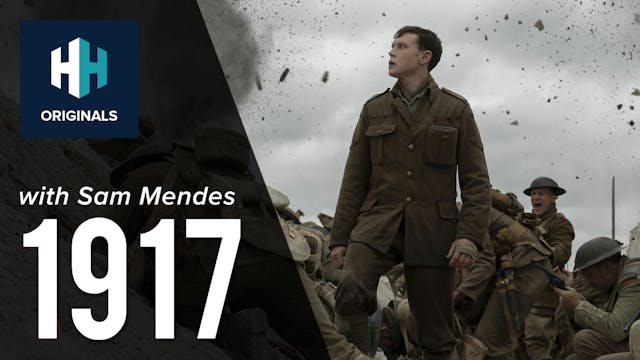
Sam Mendes on 1917
1917 is a new film directed by Golden Globe winning film maker Sir Sam Mendes. Set in early 1917, at the height of the First World War on the Western Front, Mendes uses the backdrop of the German retreat to the Hindenburg Line as the stage for telling a story inspired by the memories of Alfred Me...
9 Comments