World War One
-
I Was There: The Great War Interviews
In the early 1960s, 280 eyewitnesses of the First World War were interviewed for the series, The Great War. Using never-before-seen footage from these interviews, this film illuminates the poignant human experience of the war, through the eyes of those who survived it.
-
War's Secret Shame: Shell Shock
Dan Snow describes how Shell Shock first began to emerge during the First World War and meets veterans of more recent wars who have struggled to overcome the symptoms of PTSD
-
WW1: The Tunnels of Death
December 1914. After 5 months of war, both the Germans and the Allies have dug themselves in behind impenetrable lines. Faced with this siege, the soldiers will bring back into use an old weapon that they will modernize: mines, blowing up enemy fortifications from beneath...
In February 1915, i...
-
The Room Where It Happened: Versailles 1919
Join Dan Snow and a hand picked team of experts for a thought-provoking panel discussion that delves into one of the most consequential diplomatic agreements of the 20th century: the Treaty of Versailles.
Representing Woodrow Wilson and America is Historian Alexandra Churchill, taking the perspe...
-
Germany's Wars: One Man's Life
From the trenches of WW1 to rise of Hitler and the Nazis, never before seen diaries & photos reveal the life of German Soldier & Teacher Wilhelm Kurtz.
Hidden away since his death in 1982, they are part of an extraordinary archive of documents and personal photographs from the frontline of histo...
-
The Forgotten Battle of World War I
This documentary sees military historian Alex Churchill travelling through Germany and the Belgian battlefields, retracing the opening weeks of the First World War - a blood battle that took place before the trenches, barbed wire and gas we typically think of when we think "First World War" - ins...
-
More Than A Medal
A century-old injustice needs to be corrected. “More Than a Medal,” follows the extraordinary story of researchers working against time, exploring previously untold heroic stories from the battlefields of France, and the experience of modern-day descendants as they maintain cautious hope of reco...
-
History Under the Hammer: Lost Mark I Blueprints
Auctioneer Paul Laidlaw provides a tour of Laidlaw's Militaria collection in Carlisle, which is home to the only known surviving blueprint of the British Mark I Tank.
-
Untold - Weapons of War: The Devil's Porridge
Dr James Rogers visits the Devil's Porridge Museum to find out more about H.M. Factory, Gretna - the United Kingdom's largest cordite factory during World War One. He discovers the untold story of the young 'Gretna girls' that worked in the Factory and the dangerous task they faced creating the p...
-
War Art of the Western Front
It was the war to end all wars. In 1914, catastrophe struck Europe as great power diplomacy failed and alliance systems mobilised vast armies against one another in a conflict that dragged on in bloody stalemate for four long years. Nations geared their entire economies towards victory and called...
-
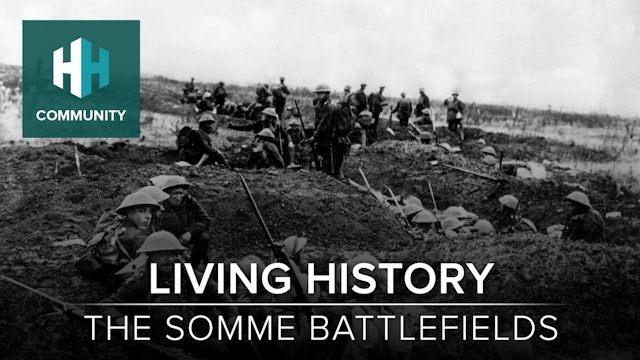
Living History: The Somme Battlefields | HH Community
The Battle of the Somme, which began on 1 July 1916, is remembered as one of the bloodiest events of the First World War. On the first day of the offensive, one man was killed every 4.4 seconds, making it the bloodiest single day in the history of the British Army. There were over a million casua...
-
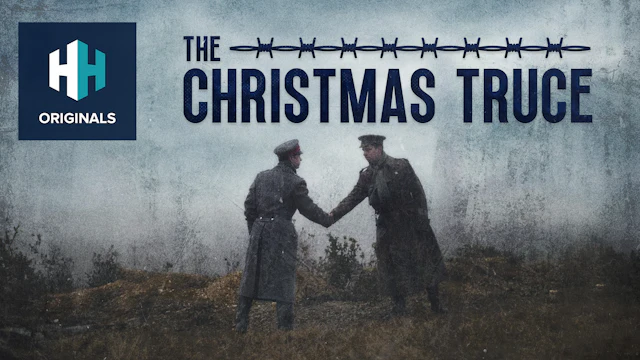
The Christmas Truce
On Christmas Eve 1914 many sectors of the Western Front in France and Belgium fell silent. Troops from all sides put down their weapons and sang carols, exchanged gifts and buried their dead in No Man's Land. The following day the truce continued in many, but not all areas, and troops gathered in...
-
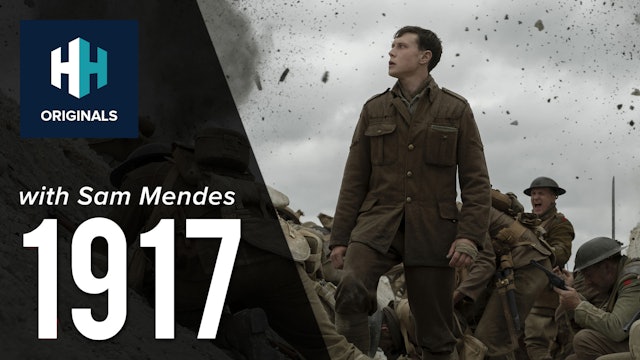
Sam Mendes on 1917
1917 is a new film directed by Golden Globe winning film maker Sir Sam Mendes. Set in early 1917, at the height of the First World War on the Western Front, Mendes uses the backdrop of the German retreat to the Hindenburg Line as the stage for telling a story inspired by the memories of Alfred Me...
-
Forgotten Faces of the Great War: The Chinese Labour Corps
China started out as a neutral country during the First World War. But by early 1917, one thousand Chinese men were on their way to the Western Front. Tens of thousands more would follow, to provide logistical support to the Allies. They constituted one of the largest labour corps of the war. The...
-
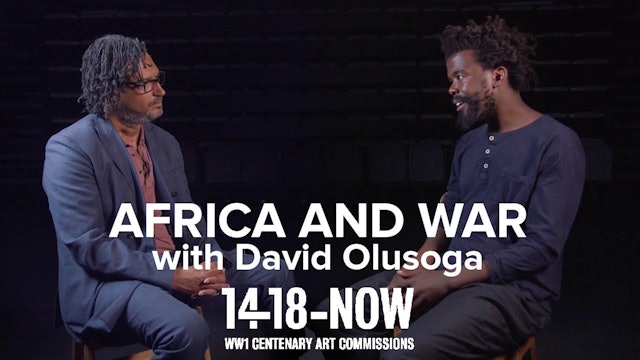
Africa and War
The first shot fired by British forces in the First World War was fired by an African soldier in Africa. Historian David Olusoga presents three 1418 Now art commissions that will highlight the often overlooked role played by African soldiers.
-
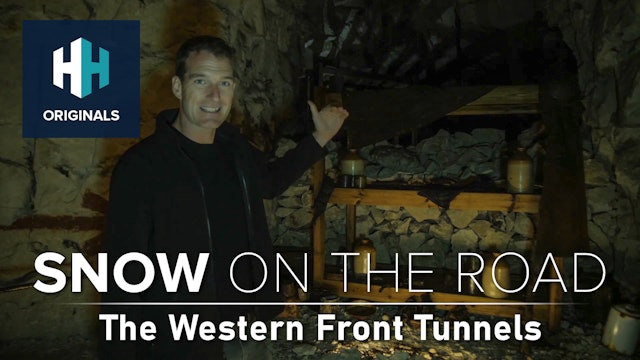
The Western Front Tunnels
The creation of man-made underground tunnels played a huge role in the outcome of the First World War. They were first dug to mine under enemy positions and detonate bombs or attack in desperate and fierce fights. As the war dragged on, nevertheless, they developed another purpose: providing sold...
-
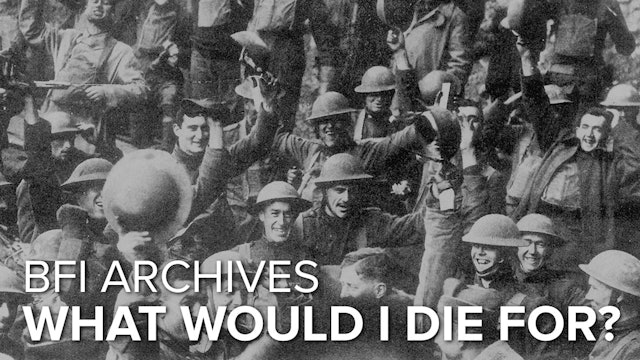
What Would I Die For?
A short film created through the 1418-Now art commissions reflecting on the thoughts and emotions of the soldiers of the First World War.
-
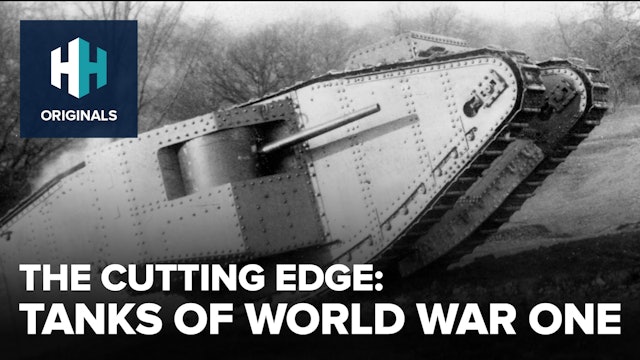
The Cutting Edge: Tanks in World War One
On 15 September 1916 the battlefield changed forever. At Flers-Courcelette, during the brutal, bloody fighting on the Somme, the British army released a new weapon designed to combat the devastating power of the machine gun: the tank. Moving on caterpillar tracks and protected by plated armour, t...
-
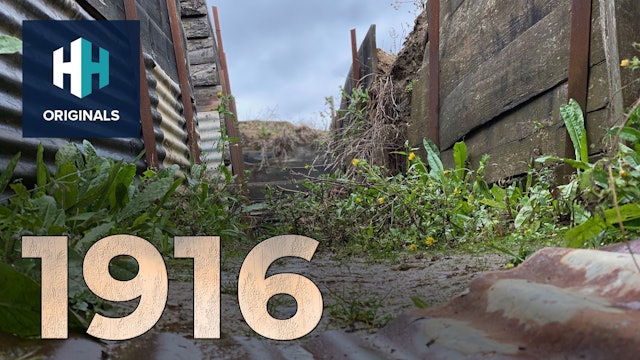
1916
Last year audiences around the world were astounded by Sam Mendes' incredible World War One epic, 1917. This autumn, Dan Snow was invited to take a look at a recreated World War One trench network in the UK, built by military historian Taff Gillingham. In homage to 1917, we decided to film this w...
-
Bristol: Aerospace Museum
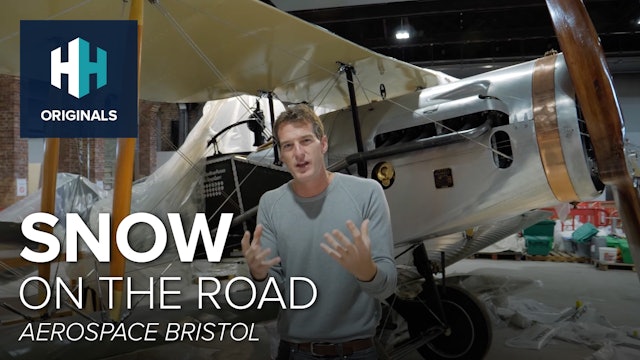
This was our first city road trip for Snow on the Road - 3 days in Bristol visiting its most interesting historical sites. What's so wonderful about Bristol is how its history is interwoven into the fabric of the city. World treasures like the SS Great Britain and Underfall Yard are visible all a...
-
The Road to 1914: Myths of Nationalism
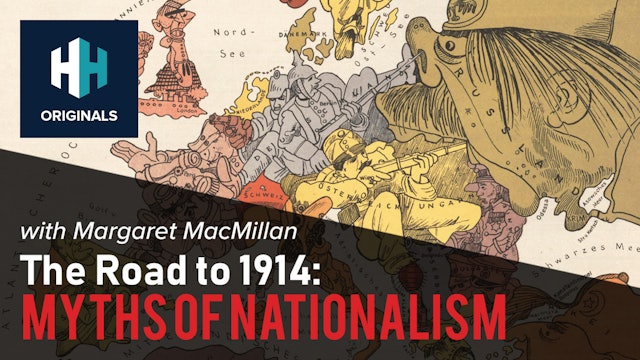
Margaret MacMillan talks to her nephew Dan about her seminal book 'The War That Ended Peace: The Road To 1914'. They discuss the importance of Storytelling to the historian's process, the ways in which political actors at the time viewed the relation between fate and choice, the role that masculi...
-
Avi Shlaim on the Balfour Declaration
Avi Shlaim is Emeritus Professor of International Relations at St Antony's College, Oxford. Here he discusses the background and implications of the historic Balfour Declaration of November 1917.
-
History Hit Live - The Aftermath of World War One
Today Dan is joined by Margaret MacMillan, professor at St. Antony's College at Oxford University and author of Peacemakers: The Paris Peace Conference of 1919 and Its Attempt to End War. Together they discuss the effects WWI had on the world, and how Europe began to rebuild in the years that fol...
-
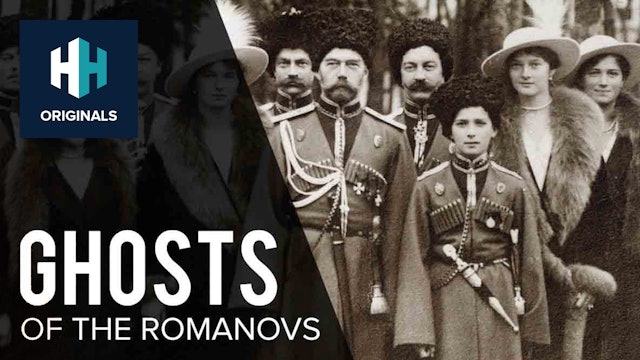
Ghosts of the Romanovs
At about 1am on 17 July 1918, in a fortified mansion in Ekaterinburg in the Ural Mountains, the Romanovs – ex-tsar Nicholas II, ex-tsarina Alexandra, their 5 children, and their 4 remaining servants – were awoken by Bolshevik captors and told they must dress and gather their belongings for a swif...