Fighting Proud: A Gay History of the World Wars
World War One
•
27m
At the end of World War Two the British public wanted to get back to ‘normal’. The gay men who had served their King and country found themselves subjected to a vigorous enforcement of the draconian law that would put them into prison if they were found guilty of indecency. But servicemen living in close proximity were made aware that men who chose to have sexual relationships with other men were not suffering from sexual perversion or a deadly disease, nor were they cowards or the stereotypical limp-wristed effeminates. ‘Fighting Proud’, a new book by Stephen Bourne, is about equality: being equally brave, scared, decisive, uniformed, wounded, and equally dead. War is the great leveler in which we are tested, tried and traumatised. No one ever emerges from war quite the same, whether it is battleground, air raid or that telegram with its irrevocable news. Fighting proud is heart-thumping and rousing; loving proud should be the same. In this episode, Stephen Bourne discusses the role of gay servicemen in the world wars, as well as the challenges of publishing gay history.
Up Next in World War One
-
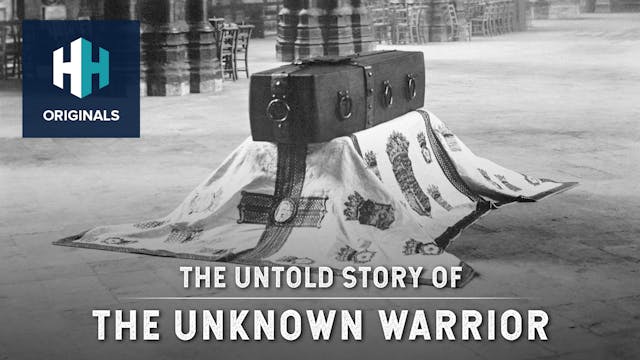
The Untold Story of the Unknown Warrior
The First World War was a conflict like nothing the World had ever known. More than 700,000 men mobilised in the UK would die during the conflict. Roughly 250,000 of those would have no known grave. The Tomb of the Unknown Warrior became a place where all those people who were denied a grave to v...
-
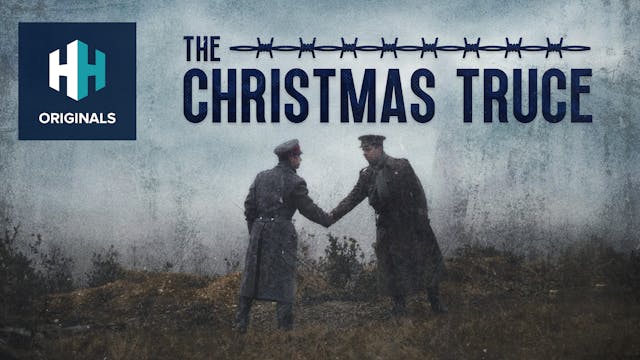
The Christmas Truce
On Christmas Eve 1914 many sectors of the Western Front in France and Belgium fell silent. Troops from all sides put down their weapons and sang carols, exchanged gifts and buried their dead in No Man's Land. The following day the truce continued in many, but not all areas, and troops gathered in...
-
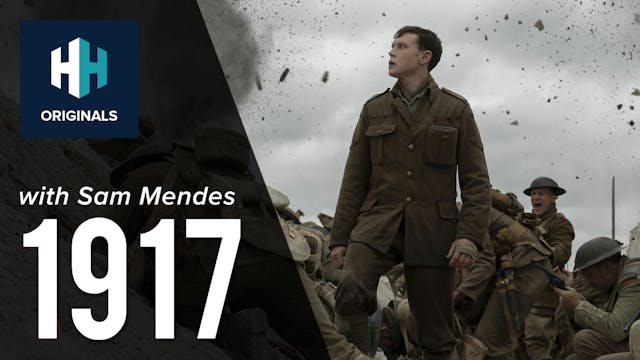
Sam Mendes on 1917
1917 is a new film directed by Golden Globe winning film maker Sir Sam Mendes. Set in early 1917, at the height of the First World War on the Western Front, Mendes uses the backdrop of the German retreat to the Hindenburg Line as the stage for telling a story inspired by the memories of Alfred Me...