
Katherine of Aragon and Anne Boleyn - the first two wives of Henry VIII - are so often portrayed as opposites. Katherine as the loyal, scorned wife - Anne as the bright, bewitching upstart.
But now Prof. Suzannah Lipscomb returns to Hever Castle to explore what Anne and Katherine were really like - two well-educated women whose personalities and actions lie at the heart of the upheaval of Henry VIII’s reign. They shape this story - and play just as large a role in it as any of the men.
Suzannah sifts through the evidence, the love letters sent by Henry Viii and two near-identical bibles owned by Anne and Katherine that Hever have brought together for the first time in nearly 500 years. They are full of clues about the women's personalities and beliefs.
Although Anne and Katherine’s rivalry changed history, Suzannah poses a surprising question: did these fascinating, well-educated women have more in common than separated them?
And make sure you stay tuned right to the end - you won't want to miss the secret pink bathroom where Anne read Henry's love letters!
Up Next in Tudors
-
The Real Jane Seymour
Tudor expert, Dr Elizabeth Norton, unveils remarkable new discoveries that transform our understanding of Jane Seymour.
Third wife of Henry VIII, for centuries Jane has been cast as the gentle, submissive queen who won the king's heart. But returning to the original evidence and uncovering overl...
-
Sir Thomas More - Not Just the Tudors...
How far would you go to save your immortal soul?’
This is the question that plagued Tudor High Chancellor, Sir Thomas More. Lawyer, philosophiser, and advisor to Henry VIII, when the court turned on its head at the arrival of Anne Boleyn. Hounded by prolific characters like Thomas Cromwell, his ...
-
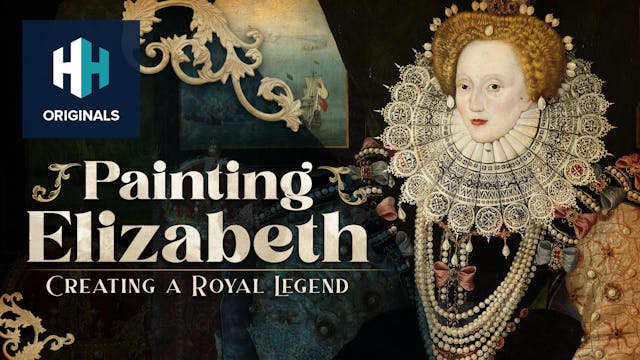
Painting Elizabeth: Creating a Royal ...
Elizabeth I is one of the most iconic figures from British history - her image can be recognised in an instant. But this was no mistake, for Elizabeth’s portraits were an audacious act of spin to cement her image of female majesty. In this documentary Dr Nicola Tallis and Prof Anna Whitelock take...


53 Comments