Broadway Tower: A Folly of Delight and Daring
Buildings and architecture
•
23m
High on the peak of the Cotswolds stands one of the most remarkable buildings in Britain. Built as a folly in the final days of the 18th century, Broadway Tower sprung up during the height of the French Revolutionary Wars under the distracted watch of the architect James Wyatt. In the following years Wyatt’s “Saxon Castle” became a lighthouse of learning (housing the printing press of the notorious Sir Thomas Phillipps) and later in the 19th century it became an eccentric summer retreat for William Morris and the Pre-Raphaelites. In the 20th century, the tower became a Royal Observer Corps lookout post and site of a tragic air crash which was recognised by Churchill himself. Despite this eclectic history, Broadway Tower remains (as a young printer once described it) “the most delightful situation imagination can conceive”. History Hit's Alice Loxton pays a visit to this folly.
Up Next in Buildings and architecture
-
Lindisfarne: Faith and Vikings
In 793 AD, the holy island of Lindisfarne was subject to one of the most infamous Viking raids on Britain. ‘Heathen' men plundered the sacred monastery in an event that shook Christian Europe.
Dan Snow travels across the tidal causeway to Lindisfarne to discover the rich culture of this holy pla...
-
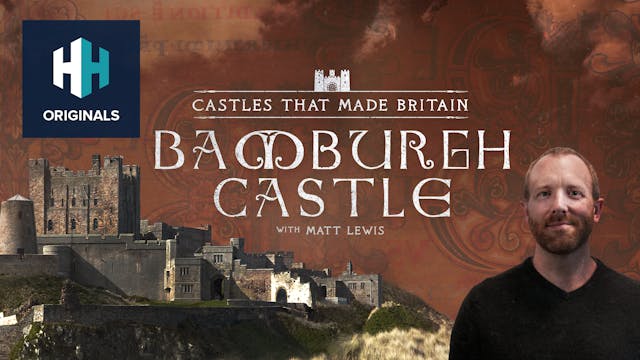
Castles That Made Britain - Bamburgh ...
Castles have loomed over the landscape of Britain for centuries. They hold the keys to unlocking some of the greatest stories of our past.
Join History Hit's medieval expert, Matt Lewis, in this new series as he explores some of Britain’s most iconic castles. It is a spectacular journey to some...
-
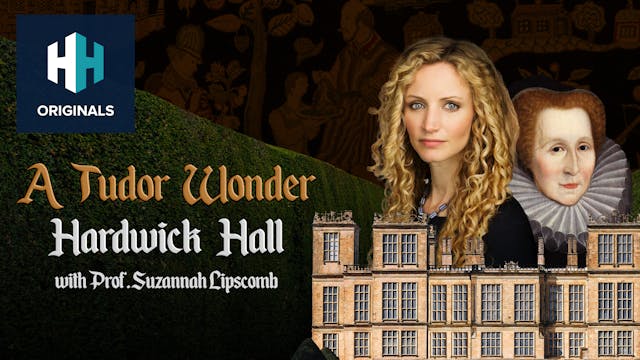
A Tudor Wonder - Hardwick Hall - with...
A History Hit treat for the holidays, this special new film reveals an extraordinary Tudor life-story and an amazing creation. We meet the extraordinary Bess of Hardwick and go inside the incredible home she built, a spectacular construction in glass and stone that defined the elegance and grande...