

In the heart of the French region of Burgundy, deep in a forest, lies a hidden city that had been dormant for 2,000 years. It’s called Bibracte, the most important oppidum in all of Gaul. That is where the Aedui, a Gallic tribe allied to the Romans, once built a fortified city on top of a mountain.
What did this 10,000-inhabitant ancient city look like? How did the builders manage to erect indestructible fortifications at a time when no other Gallic city featured such protection? How did archeologists decipher old pieces of wood despite the wear and tear of Father Time? And why did the Aedui suddenly abandon their capital?
Thanks to topographic maps using LIDAR technology as well as spectacular computer-generated imagery, you’re about to discover the evidence of galloping Romanization, notably through a sophisticated hydraulic system, a forum, and a basilica.
To this day, Bibracte remains a colossal excavation site, the remains of which continue to reveal long-lost secrets. As true investigators, archeologists unveil the craftiness and the genius of this ancient tribe at a turning point in the Roman Gallic era.
Up Next in Ancient Rome
-
Rise of Herod
King Herod is considered one of the biggest villains in history, best remembered for a fabled, biblical slaughter. But this infamous legacy has overshadowed the rest of Herod’s extraordinary story. Born in the early 1st century BC, Herod fought his way to prominence during a time of great turmoil...
-
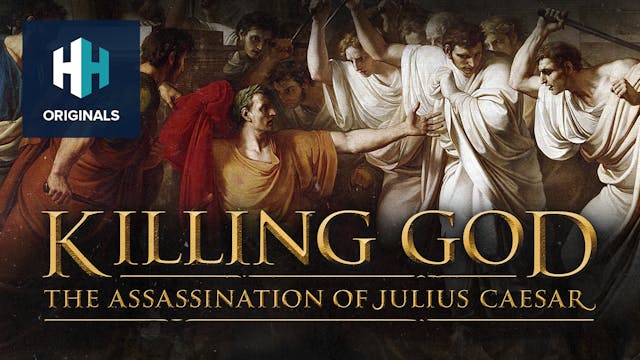
Killing God: The Assassination of Jul...
15 March - 'The Ides of March'. It is arguably the most well known date in ancient history. On that day in 44 BC the Roman statesman Julius Caesar was assassinated by a group of senatorial conspirators in the heart of Rome. But why was this political giant of ancient Rome assassinated? How did th...
-
Rise of Augustus
Augustus was born into a world of chaos and upheaval. The Republic was crumbling and his great uncle Julius Caesar was gaining both power and enemies. After Caesar’s assassination, Augustus, still just a teenager, launched an ambitious power grab which changed the entire Mediterranean world.
Jo...


4 Comments