
In 60 AD, the fledgling Roman town of Colchester witnessed ancient Armageddon. Thousands of British warriors descended on the settlement, turning what was then the capital of Roman Britain to ash. At the head of these attackers was one of the most well-known figures in British history - the warrior woman Boudica. Her bloody assault on Colchester marked one of the first gruesome events of her revolt against the Romans.
For a long time, the Roman historian Tacitus was our main source for Boudica’s great burning of Colchester. But no longer. Beneath the ground level of the modern city, archaeologists have uncovered actual physical evidence of the burning. From a visible ash layer in the soil, to a great wealth of artefacts that have revealed more about the sheer brutality of Boudica’s onslaught and the tragic tales of innocent victims caught up in the carnage.
Tristan Hughes visits Colchester to investigate this incredible archaeology and to see whether it supports the surviving Roman account for Boudica’s bloody sacking of this settlement almost 2,000 years ago.
Up Next in Ancient Rome
-
Pompeii: Life in the City - Episode 1
Dan and Kate explore working lives in Pompeii, from the very rich to the very poor.
-
Boudica: Death to Rome
In 60/61 AD turmoil seized southern Britain. A massive anti-Roman revolt reared its ugly head in East Anglia, as tens of thousands of Britons attempted to evict the recently-arrived Romans from the island by the spear. At its head was one of the most famous figures in the whole of British history...
-
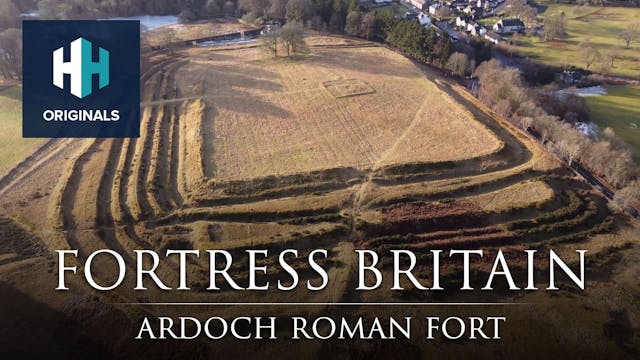
Fortress Britain: Ardoch Roman Fort
Join Tristan Hughes in this short documentary as he explores the fascinating history of Ardoch Roman Fort in Scotland. Featuring historians Rebecca Jones and Andrew Tibbs.

29 Comments