

Few British monarchs loom as large in the public imagination as King Henry VIII. Straddling the line between man and myth, he is best known for his infamous six marriages and his penchant for beheadings. But where does fiction meet fact? In cinema and on television, he has been portrayed by a host of actors, but have any of them captured the real Henry VIII?
In this discussion, Professor Suzannah Lipscomb and fellow historians look at how Henry VIII has been reimagined on screen, what those portrayals get right and wrong, and why this towering figure continues to fascinate us, more than 500 years after he came to the throne.
Joining Suzannah Lipscomb for this Not Just the Tudors Late are Jessie Childs, Tudor England specialist and the author of Henry VIII's Last Victim; Doctor Joanne Paul of the University of Sussex, an expert of early modern English history, who wrote Thomas Moore: A Life and Death in Tudor England; and with first-hand experience of depicting historical figures on film, historian and screenwriter Alex Von Tunzelmann.
Join us for the first in our new series of 'Not Just the Tudors...Lates' for another entertaining and thought-provoking conversation.
Up Next in Women's History Month
-
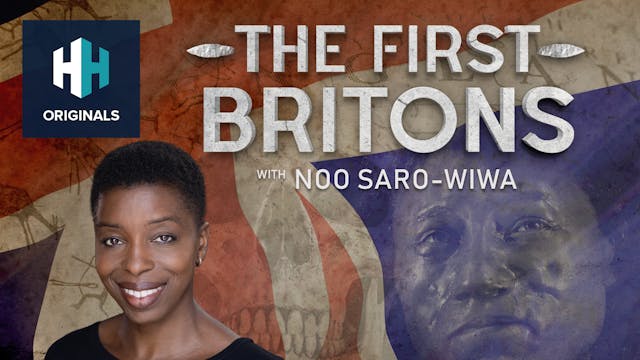
The First Britons
If the words British history conjure up images of Elizabeth I, Shakespeare, Boudica, Mary Seacole, The Beatles and the Blitz, you’re squinting at a small spec of the history of humanity of these Isles. Even if you go back to the Roman invasion of Britain in 43 AD, or even further to the Iron Age ...
-
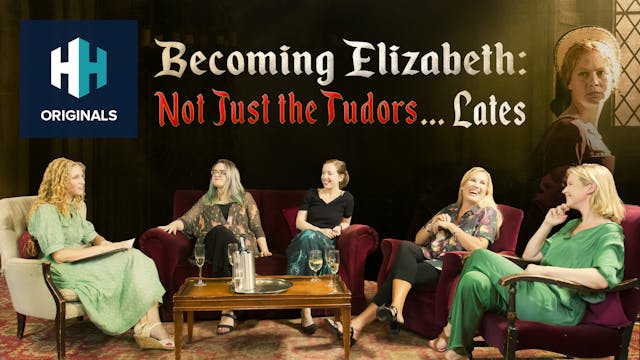
Becoming Elizabeth: Not Just the Tudo...
How do you tell the story of one of the most interesting and tumultuous times in history - when Henry VIII died, leaving three children from three different mothers?
A fantastic panel of historians and writers gathers to discuss the Starz TV series “Becoming Elizabeth”, and explore the real ev...
-
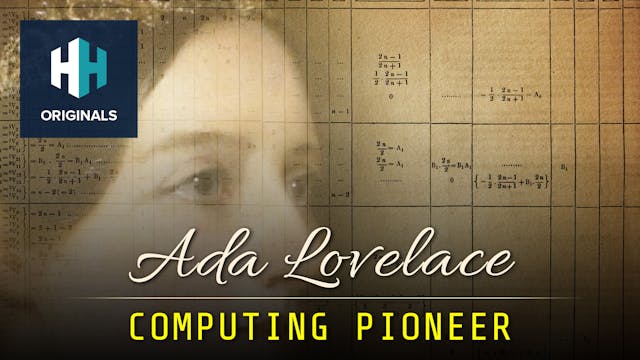
Ada Lovelace: Computing Pioneer
Regarded by many as the world's first computer programmer, Ada Lovelace was also the first to envision a world where computers could be used for more than just number crunching. She saw in them the potential to not just solve problems, but create new ideas and even produce music and poetry as we ...
11 Comments