
In 60 AD, the fledgling Roman town of Colchester witnessed ancient Armageddon. Thousands of British warriors descended on the settlement, turning what was then the capital of Roman Britain to ash. At the head of these attackers was one of the most well-known figures in British history - the warrior woman Boudica. Her bloody assault on Colchester marked one of the first gruesome events of her revolt against the Romans.
For a long time, the Roman historian Tacitus was our main source for Boudica’s great burning of Colchester. But no longer. Beneath the ground level of the modern city, archaeologists have uncovered actual physical evidence of the burning. From a visible ash layer in the soil, to a great wealth of artefacts that have revealed more about the sheer brutality of Boudica’s onslaught and the tragic tales of innocent victims caught up in the carnage.
Tristan Hughes visits Colchester to investigate this incredible archaeology and to see whether it supports the surviving Roman account for Boudica’s bloody sacking of this settlement almost 2,000 years ago.
Up Next in Women Who Made History
-
The Fight to Paint
Women have been fighting to be seen as professional artists for hundreds of years.
Dr Kate Lister explores a brand new exhibition at the Tate Britain that features the work of over 100 female professional artists: 'Now You See Us: Women Artists in Britain 1520–1920'. Kate investigates the chall...
-
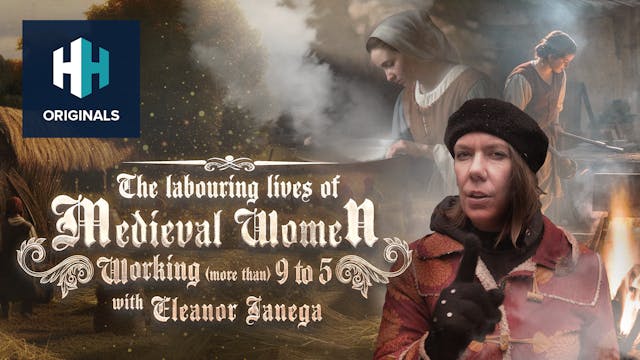
Working (more than) 9 to 5 - The Labo...
Dr Eleanor Janega investigates one of the least recorded aspects of medieval life - working women. But dig deep and you can find the evidence - proving the medieval period is a fascinating window into the true history of women…and work!
Eleanor takes on the jobs and businesses of real medieval ...
-
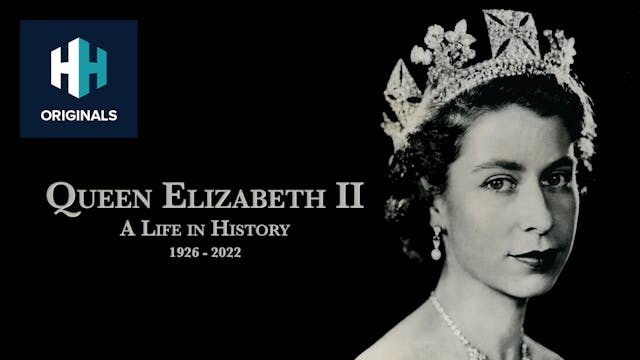
Queen Elizabeth II: A Life in History
Queen Elizabeth II was born in a totally different world to today. Her life spanned decades of profound change, both in the United Kingdom and around the globe.
In this special programme, Dan Snow and royal historian Prof. Kate Williams reflect on the early years of Elizabeth II’s remarkable l...

28 Comments