
At noon on 10 April 1912, crowds gathered at Southampton to watch the maiden voyage of the World's largest ship RMS Titanic. A sleek, modern luxurious liner that was offering a safe and fast crossing of the Atlantic Ocean. Titanic was said to be invincible. She cruised down Southampton waters on her maiden voyage to North America, watched by large crowds. But she would never reach New York. Barely 5 days after leaving Southampton she was gone, swallowed up by the Atlantic after striking an iceberg. The maritime disaster that struck Titanic has made her the most famous ship in history, with many myths emerging about what happened that fateful night on 14/15 April. Dan Snow visits Titanic expert Tim Maltin to sort the fact from the fiction about the ship’s final hours.
Up Next in Odysseys
-
The Ambassadors: Mysteries of a Tudor...
Tracy Borman unravels the web of messages and secrets hidden in one of the most spectacular and mysterious Tudor paintings, Holbein’s the Ambassadors.
In 1533 England was in turmoil - Henry VIII had secretly married Anne Boleyn and had his marriage to Katherine of Aragon annulled.
This was the ...
-
Captain Cook's Endeavour
Captain James Cook is one of the greatest maritime navigators in history. Born in 1728 to a Scottish father and English mother, Cook grew up in Yorkshire and soon developed a great fascination with the sea and exploration. In 1746 Cook joined the merchant shipping industry when he moved to the ne...
-
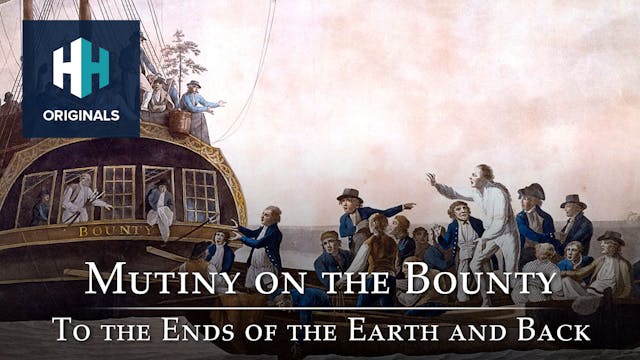
Mutiny on the Bounty: To the Ends of ...
In early 1789, Captain Bligh in the South Pacific suffered a mutiny among his crew on HMS Bounty. Put to sea with a small group of loyal sailors in one of the ship's boats, what followed was one of the epic stories of maritime history. For more than 40 days, Bligh and his men sailed across open P...


4 Comments