
Tristan Hughes explores the destruction of Pompeii, using extraordinary eyewitness testimony and the revelations of archaeology to understand what really happened here nearly 2000 years ago.
In 79 AD, one of the greatest natural disasters in Roman history occurred in southern Italy, when Mount Vesuvius erupted and obliterated the surrounding area, including the prosperous port of Pompeii. The thriving town was first engulfed by a relentless hailstorm of pumice rock before being overwhelmed by deadly volcanic heat waves, called pyroclastic flows and surges. Nothing living survived. By the time the eruption came to an end, Pompeii had been buried in six metres of volcanic debris.
This great disaster has immortalised Pompeii’s story, preserving so much of its archaeology, and giving us remarkable insight into the town's final hours - men, women and children caught up in the unfolding disaster.
But these incredible material remains are not the only evidence of what happened. In addition, we also have an extraordinary piece of surviving literature. An eyewitness account, written by a prolific Roman letter writer called Pliny the Younger.
Pliny’s letters - rich in detail and emotion - paint a terrifying picture of what people caught up in this ancient apocalypse thought and felt. Beautifully written, his detailed account provides poignant and humanising colour to the terrifying archaeology that has survived - most infamously Pompeii’s iconic plaster casts of people stuck down during the eruption.
But Pliny’s letters also tell a remarkable story - the heroic adventure of his famous namesake uncle, Pliny the Elder, who sailed towards the volcanic danger during the early stages of the eruption on a daring rescue mission.
In this documentary, Tristan Hughes visits Pompeii to learn more about the terrifying eruption that caused its destruction. Meeting leading experts around the site, he discovers what the archaeology, along with Pliny the Younger’s letters, has revealed about Pompeii’s ultimate fate.
Up Next in That's Ancient History
-
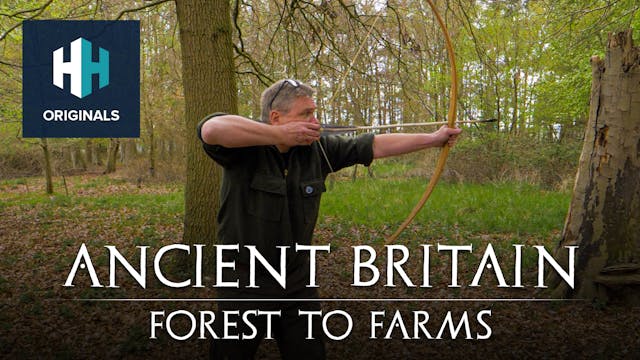
Ancient Britain with Ray Mears: Fores...
12,000 years ago, Britain entered a new chapter in its long history. By this point, hunting tools had evolved, from hefty spears to the slick and stealthy bow and arrow. This revolution in technology would change the way humans hunted forever.
In a period in which Britain was also thawing and e...
-
Rodin and the Art of Ancient Greece
Born in Paris in 1840, François-Auguste-René Rodin is quite possibly the most famous sculptor in recent history. Considered by many to be the first ‘modern’ sculptor, his works such as ‘The Kiss’ and ‘The Thinker’ have become iconic throughout the world. He possessed a unique ability to model a c...
-
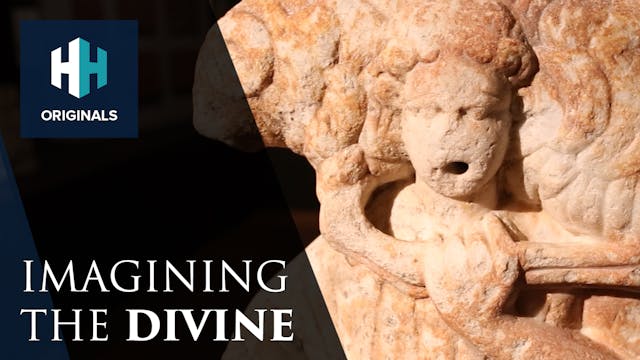
Imagining the Divine
Dr Janina Ramirez takes an exclusive tour of 'Imagining the Divine', the new exhibition at the Ashmolean Museum in Oxford. With the exhibition's co-curator, Jas Eslner, Janina discovers how the art of the 5 major world religions spread across the globe in the first Millennium AD, and takes a fasc...

24 Comments