
Around 800 BC, Britain entered the Iron Age. This era saw the gradual introduction of iron working technology, although the general adoption of iron artefacts did not become widespread until after 500-400 BC.
As the Iron Age progressed through the first millennium BC, strong regional groupings emerged, reflected in styles of pottery, metal objects and settlement types. Technological innovation increased and the population of Britain grew substantially, probably exceeding one million. This population growth was partly made possible by the introduction of new crops, including improved varieties of barley and wheat, and increased farming of peas, beans, flax and other crops.
Join bushcraft and survival expert Ray Mears in the third and final episode of our Ancient Britain series, as he explores the relics of Iron Age Britain. On his journey, Ray visits the magnificent forts at Malvern Hills and a recreation of an Iron Age village at Butser Ancient Farm in Chalton.
Up Next in That's Ancient History
-
The Ryedale Hoard: Yorkshire's Roman ...
History Hit's Tristan Hughes has special access to the Ryedale Hoard: A Roman Mystery exhibition at the Yorkshire Museum to speak to the people responsible for its discovery and investigate these incredible artefacts.
Featuring the remarkable 1,800 year old bust of the Emperor Marcus Aurelius, ...
-
Egyptian Hieroglyphs: Decoded
Have you ever wanted to learn how to read hieroglyphs? Egyptologist Chris Naunton explores the history of hieroglyphs and how they were decoded.
-
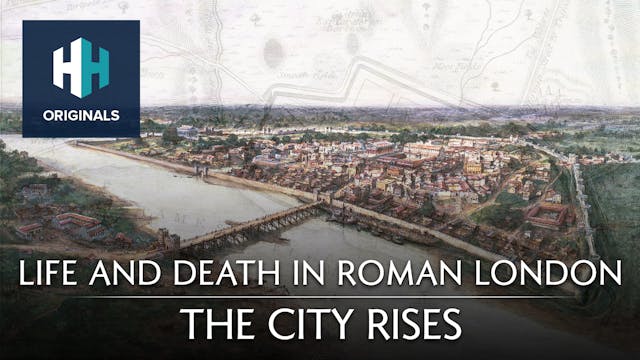
Life and Death in Roman London: The C...
Today it is one of the greatest cities on Earth. But London, originally, was a Roman city. Join historian and archaeologist Dr Simon Elliott in this two part series. With the help of leading experts Dr Sophie Jackson and Dr Rebecca Redfern, Simon tells the story of Roman London. From Boudica’s in...


46 Comments