
In 60 AD, the fledgling Roman town of Colchester witnessed ancient Armageddon. Thousands of British warriors descended on the settlement, turning what was then the capital of Roman Britain to ash. At the head of these attackers was one of the most well-known figures in British history - the warrior woman Boudica. Her bloody assault on Colchester marked one of the first gruesome events of her revolt against the Romans.
For a long time, the Roman historian Tacitus was our main source for Boudica’s great burning of Colchester. But no longer. Beneath the ground level of the modern city, archaeologists have uncovered actual physical evidence of the burning. From a visible ash layer in the soil, to a great wealth of artefacts that have revealed more about the sheer brutality of Boudica’s onslaught and the tragic tales of innocent victims caught up in the carnage.
Tristan Hughes visits Colchester to investigate this incredible archaeology and to see whether it supports the surviving Roman account for Boudica’s bloody sacking of this settlement almost 2,000 years ago.
Up Next in Subtitled Series and Documentaries
-
Greatest Discoveries: Lost Lives of P...
The story of Pompeii’s destruction is renowned across the world. In 79 AD, this prosperous Roman town was destroyed by a massive, volcanic eruption. Pompeii became frozen in time, only to be rediscovered c.1500 years later.
Warning: contains very strong language and sexual content.
Vesuvius’ er...
-
Guy Fawkes: The Yorkshireman Behind t...
Tensions were high in England in late October 1605, when a Catholic English nobleman, Lord Monteagle, received a mysterious letter telling him to avoid the opening of Parliament in a few days time. The letter would come to foil the plot to blow up the Houses of Parliament and kill the Protestant ...
-
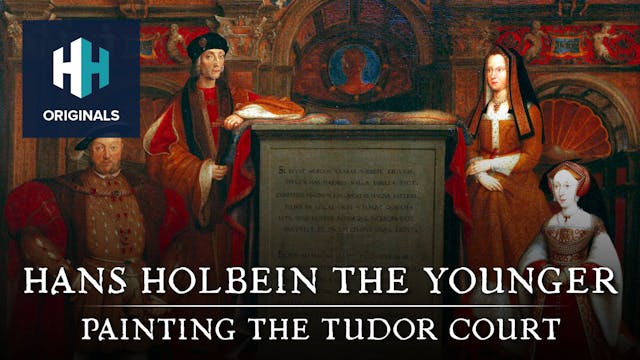
Hans Holbein the Younger: Painting th...
In this fascinating documentary historian Dr Nicola Tallis and author Franny Moyle dissect and unravel the meaning behind the famous paintings of the Tudor Court depicted by the renowned artist, Hans Holbein the Younger.
Born in Ausburg in 1497, Holbein worked as a painter and printmaker in Bas...


29 Comments