

Gladiators, from Spartacus to Ridley Scott’s Maximus Decimus Meridius, we’ve been fascinated by them for hundreds of years. Dan Snow is on the hunt to find out why we’re still so obsessed with the men who controlled the Roman arena from the ground up!
Dan joins experts in Italy and England to investigate the daily lives of history’s greatest fighters. He begins at the birthplace of the Roman gladiatorial games, Capua, before heading to a gladiator school in the shadow of the Colosseum, the Ludus Magnus. He learns how these men weren’t sent to their certain death but were heavily trained, looked after and fed. They were expensive assets who could make their owners and themselves incredibly wealthy…think superstar footballer rather than death match victim! Dan investigates three other amphitheatres in Italy to discover their secrets, Capua, Pozzouli and Avella. Before heading to the most iconic arena of all time, the Colosseum.
The gladiator phenomenon, however, was not just confined to Italy. The arenas and the games went viral in the ancient world. Dan heads to the British Museum to get hands on with some objects that showcase the far reaching impact of the gladiators. Before finishing his journey walking in the footsteps of gladiators at Richborough Amphitheatre. He’ll discover how these brutal bouts became the lifeblood of the Roman empire for all those underneath its yoke from the Northern lands of the Rhine to the North of Africa. And at the centre of it all were the gladiators!
Up Next in Searching for Stories
-
Captain Cook's Endeavour
Captain James Cook is one of the greatest maritime navigators in history. Born in 1728 to a Scottish father and English mother, Cook grew up in Yorkshire and soon developed a great fascination with the sea and exploration. In 1746 Cook joined the merchant shipping industry when he moved to the ne...
-
American Revolution: The First Battle
250 years ago, on April 19th 1775, the first muskets were fired in the American War of Independence - the famous "shot heard round the world".
In this special History Hit film, Dan Snow explores the key sites where it happened on this day - Battle Green, Lexington; The Old North Bridge, Concord...
-
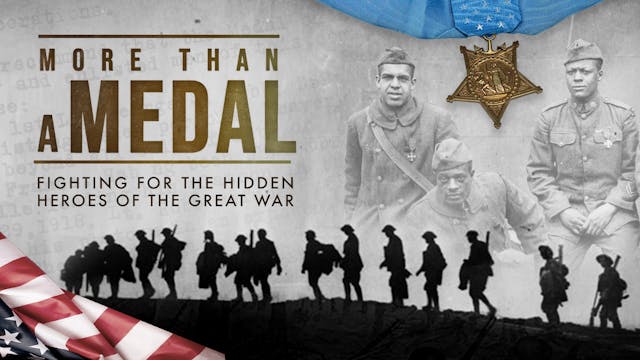
More Than A Medal
A century-old injustice needs to be corrected. “More Than a Medal,” follows the extraordinary story of researchers working against time, exploring previously untold heroic stories from the battlefields of France, and the experience of modern-day descendants as they maintain cautious hope of reco...


13 Comments