
Renowned Egyptologist Prof. Joann Fletcher explores the most famous pharaoh of them all - Tutankhamun. Jo has curated a very special exhibition in her hometown, Barnsley, not only to celebrate the world of Tutankhamun, but also the people from northern England who played an important role in his rediscovery.
The film showcases some of the 12,000 Ancient Egyptian objects that are usually kept by Bolton Museum, but are now on special display in Barnsley.
Jo has curated a collection that exemplifies the world of Tutankhamun, focusing on the years before his spectacular burial and representing the life he enjoyed growing up in Amarna as the son of Akhenatenand the early years of his own reign. She handles precious objects that reveal this world, including luxurious wine goblets and ultra-fine linen clothing. And, with a display of tiny household figures of multiple deities, Jo shows how the usual story of Akhenaten sweeping away all the traditional gods of Egypt is far more complex on a domestic level - a tiny figure of Amun is evidence that some of the old gods were very much still around and were still being privately worshipped within the new city.
Around the age of 19, Tutankhamun died - and that is how history remembers him. But in the centenary year of the rediscovery of his tomb, Jo Fletcher feels it’s only right that we not only remember his death, but start to celebrate his life.
Up Next in People Who Made History
-
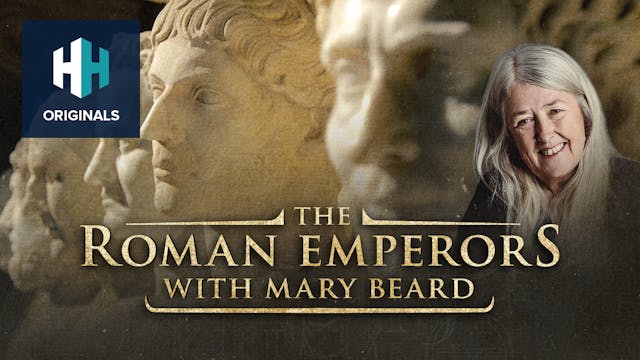
The Roman Emperors: With Mary Beard
Classicist and national treasure Mary Beard speaks to Dan about Ancient Rome and its emperors.
-
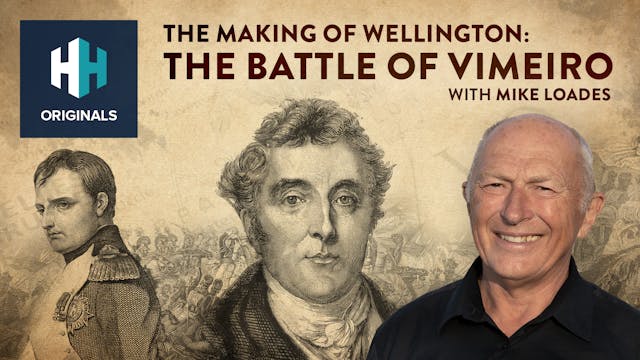
The Making of Wellington: The Battle ...
On 21st of August 1808, the 39-year-old Sir Arthur Wellesley (later to become the Duke of Wellington) stood at the head of an Anglo-Portuguese army numbering approximately 14,000.
His army was positioned on the blind side of a slope, awaiting the advance of a French Army under General Jean-Ando...
-
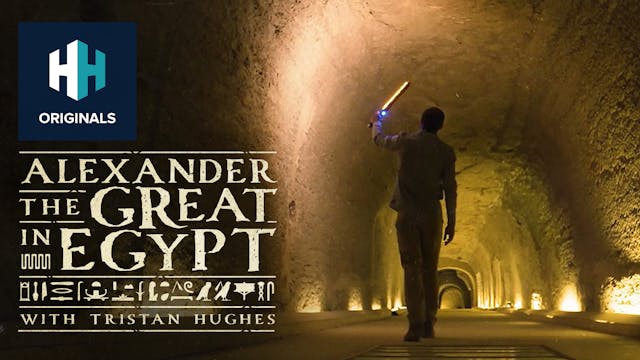
Alexander the Great in Egypt
History Hit's Tristan Hughes travels to Egypt to explore its extraordinary links to one of the most famous names from antiquity, Alexander the Great. Of all the lands in the Eastern Mediterranean, it is Egypt that has the most fascinating - and enduring - connection to this ancient conqueror.
I...
9 Comments