Ghosts of the Romanovs
People Who Made History
•
7m 11s
At about 1am on 17 July 1918, in a fortified mansion in Ekaterinburg in the Ural Mountains, the Romanovs – ex-tsar Nicholas II, ex-tsarina Alexandra, their 5 children, and their 4 remaining servants – were awoken by Bolshevik captors and told they must dress and gather their belongings for a swift nocturnal departure. The White armies were approaching; the prisoners could already hear the boom of their big guns. They were told to wait in the cellar, while 11 or 12 heavily armed men ominously filled the room. What happened next – the slaughter of the family and servants – was one of the seminal events of the 20th century, a wanton massacre that shocked the world and still inspires a morbid fascination today. Not long after Stalin rose to power in the late 1920s, all mention of Russia’s last Imperial family, either in print or in public, was outlawed. Any nostalgia for the Romanovs went underground, but people did not stop believing in or praying for their Tsar - they simply did it in private. This situation prevailed for 60 years or more, until the collapse of the Soviet Union in December 1991. The minute the old, oppressive order was gone, the Russian Orthodox Church slowly began to reemerge, and with it came the veneration of the Romanov family – seen as the heart of their faith. But growing concern about the persistence of love for the Romanovs meant that by the 1970s radical measures were taken to suppress it. In this exclusive piece, Helen Rappaport reveals the untold story of modern Russia’s obsession with the Romanov family and the place where they died.
Up Next in People Who Made History
-
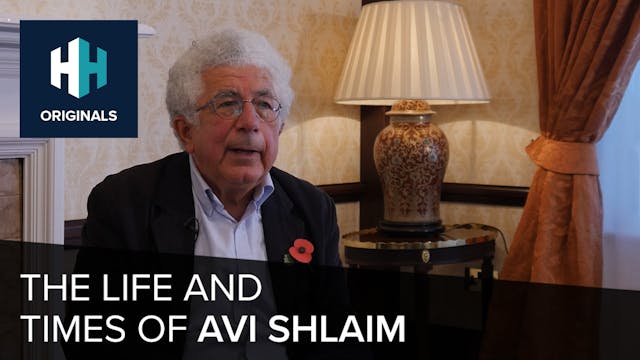
The Life and Times of Avi Shlaim
Avi Shlaim is Emeritus Professor of International Relations at St Antony's College, Oxford. Here he discusses his life - from his birth in Baghdad, to studying in Britain and his ongoing historical research.
-
Lucy Worsley on The Death of Jane Austen
Famous the world over for her wit, social observation and insight into the lives of early 19th century women, Jane Austen remains one of the Britain’s most respected and beloved novelists. She famously lived a ‘life without incident’, but in fact new research reveals a passionate woman who fought...
-
Rebels: Owain Glyndŵr
In the second part of his new series, conflict analyst Professor Michael Livingston is continuing his journey across the length and breadth of the United Kingdom on the trail of some of Britain’s best known rebels.
In this episode Michael is heading to Wales to discover the astonishing story of ...