
On 26 July 1533, a rope was tightened around the neck of Inca Emperor Atahualpa in the central plaza in Cajamarca in what is now Peru. The general who ordered his execution, Pizarro, is said to have shed a tear as the life drained from the condemned's body. On paper, the man died a Catholic by the name of Francisco, but he had been forced to change both his name and religion just hours before his death. A decision Atahualpa had made to ensure that his own death could be undone. So he might be resurrected to rule over his people once more. In less than a century, his people had built the biggest empire ever known in the Americas at that time. And his death signalled the end of that great empire. This is the story of the death of the last Inca Emperor, Atahualpa, and the downfall of the Inca Empire.
Filmed on location in Peru. Featuring interviewees from Peruvian archaeologist Solsiré Cusicanqui Marsano and local guide Manual Portal Cabellos. Narrated by Sarah Agha. Produced by Mark Bowsher and Lizeth Yarlequé.
Up Next in People Who Made History
-
Britain's Wild West: Discovering Hay ...
The peaceful South Wales town of Hay-on-Wye offers few clues today of its brutal past on a violent frontier. A monument to this history can be found in Hay Castle. Once right on the border between England and Wales, it sits in a region densely packed with castles that saw border skirmishes and bi...
-
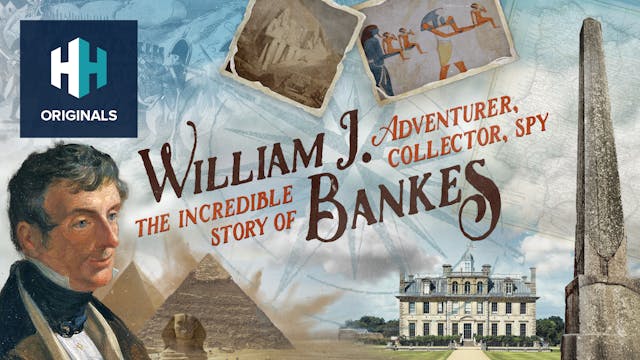
The Incredible Story of William J. Ba...
Tristan Hughes follows in the adventurous footsteps of William John Bankes. From the deserts of Egypt to the elaborate interiors of Kingston Lacy, he explores the incredible achievements of this 19th century daredevil.
Bankes was the Georgian Indiana Jones - an adventurer, collector and spy, cha...
-
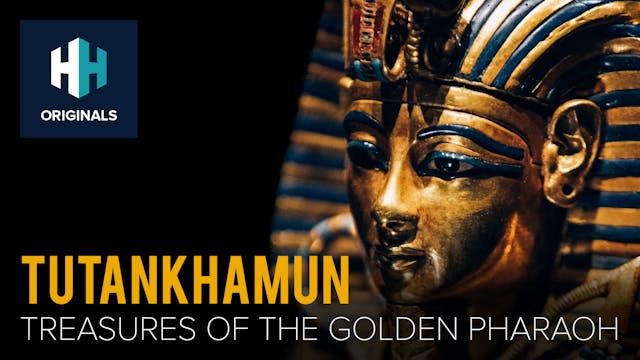
Tutankhamun: Treasures of the Golden ...
Tutankhamun, 'The Boy King' of Ancient Egypt, is one of history's most famous names. Though his short reign proved fairly-insignificant, his legacy lives on thanks to Howard Carter's discovery of his magnificent tomb in 1922. Now, as the centenary of Carter's discovery creeps ever nearer, many of...

14 Comments