
Elizabeth I is one of the most iconic figures from British history - her image can be recognised in an instant. But this was no mistake, for Elizabeth’s portraits were an audacious act of spin to cement her image of female majesty. In this documentary Dr Nicola Tallis and Prof Anna Whitelock take a close look at the progression of these portraits in light of surrounding political turmoil. By exploring the portraits in forensic detail, they decode a puzzle of bizarre symbolism and hidden meaning, and shine a surprising light on the Elizabethan era. Why did objects such as moons, pelicans, globes and roses carry so much meaning? How did Elizabeth forge and utilise her apparent virginity to strengthen her position? How, in short, did Elizabeth I become an icon?
Up Next in More than Just the Tudors
-
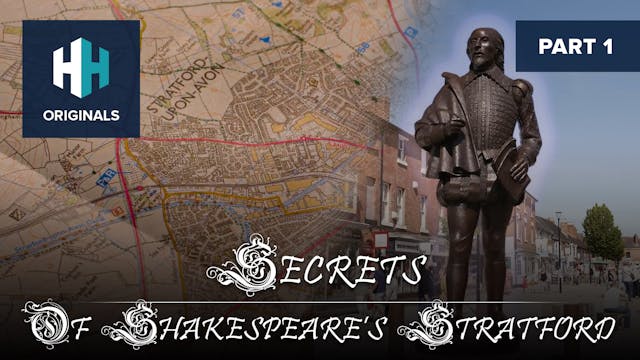
Secrets of Shakespeare's Stratford
In this series, Alice Loxton and Dan Snow head to Stratford-upon-Avon to uncover the secrets of William Shakespeare’s early life and upbringing. Who were Shakespeare’s parents? What was rural Warwickshire like in the 16th century, and how was it changing? What sort of childhood did William have?
... -
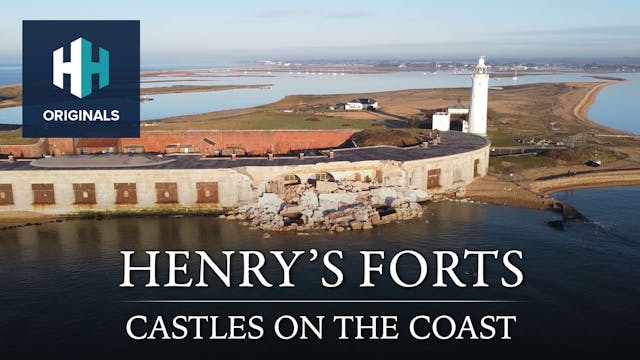
Henry's Forts: Castles on the Coast
On the 26 February 2021, around 38 metres of wall collapsed at Hurst Castle, one of a series of vital coastal forts built by Henry VIII in the 16th century to protect England from threat of invasion by the European powers. Recently, Dan went out on his kayak to assess the damage at the castle whi...
-
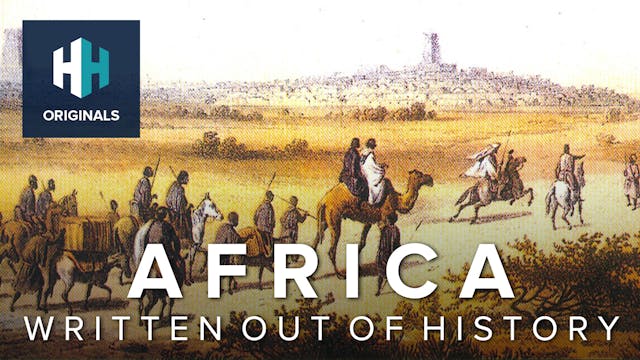
Africa: Written out of History
Historian Luke Pepera looks at how and why the history of Africa was written out of world history. He also explores how and why, as a consequence of this, the history of Africans in Britain was written out of British history.
15 Comments