
Katherine of Aragon and Anne Boleyn - the first two wives of Henry VIII - are so often portrayed as opposites. Katherine as the loyal, scorned wife - Anne as the bright, bewitching upstart.
But now Prof. Suzannah Lipscomb returns to Hever Castle to explore what Anne and Katherine were really like - two well-educated women whose personalities and actions lie at the heart of the upheaval of Henry VIII’s reign. They shape this story - and play just as large a role in it as any of the men.
Suzannah sifts through the evidence, the love letters sent by Henry Viii and two near-identical bibles owned by Anne and Katherine that Hever have brought together for the first time in nearly 500 years. They are full of clues about the women's personalities and beliefs.
Although Anne and Katherine’s rivalry changed history, Suzannah poses a surprising question: did these fascinating, well-educated women have more in common than separated them?
And make sure you stay tuned right to the end - you won't want to miss the secret pink bathroom where Anne read Henry's love letters!
Up Next in Investigations
-
Waterloo Uncovered: The Bones of the ...
A major breaking story filmed by History Hit.
Incredibly rare bones of men and horses have been discovered in July 2022 at the Waterloo Battlefield - and History Hit has been there to record the excavations as they unfold.
The veterans support charity 'Waterloo Uncovered' returned to the Water...
-
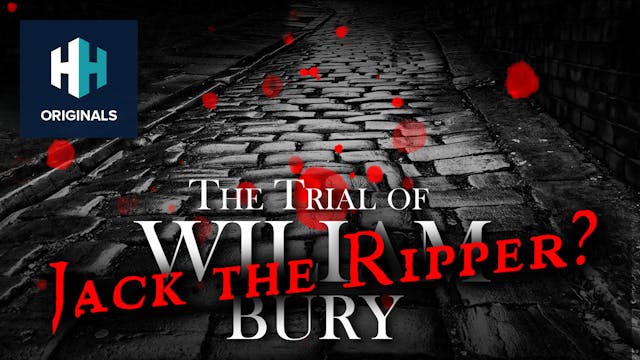
The Trial of Jack The Ripper?
In 1888 and 1889, a vicious serial killer haunted the streets of London. Five women were brutally murdered in Whitechapel, and all except one of the five victims - Elizabeth Stride - were horribly mutilated. And those are only the murders officially linked to the killer; it’s likely he took the l...
-
Edgehill: A Fight of Spite and Spleen
When Charles I acceded to the throne in 1625, there was every reason to hope his reign would be as peaceful and prosperous as any. But by 1642, after almost two decades of religious aggravation and personal ‘tyranny’, tensions reached boiling point. The chance for peaceful resolution and diplomat...


53 Comments