The Knights Templar: With Dan Jones
Interviews
•
44m
They might be more famous today for their cameos in The Da Vinci Code and Assassin’s Creed, but in real life they were an army of valiant, daring Crusaders famous for their self-discipline, who fought in the Middle Ages' most bloody battles. They were allowed no sex, no personal possessions, and no fun – but they were some of the most formidable fighters and they quickly accrued power and wealth. The order was initially set up to protect pilgrims, who would attempt to make dangerous journeys between the cities and sites of interest in the Holy Lands – journeys that required traversing paths filled with rotting bodies on either side, as the time it would take to bury fellow pilgrims would most likely result in one’s own death. The Knights were answerable only to the Pope and didn’t have to pay many taxes, which meant they quickly became financially secure and wielded great power across various countries. In this episode, Dan Snow meets the man with whom he is often confused, bestselling writer of Medieval history Dan Jones. He discusses his book 'The Knights Templar' at the Temple Church in Central London, the physical embodiment of this medieval religious order that also trained warrior monks.
Up Next in Interviews
-
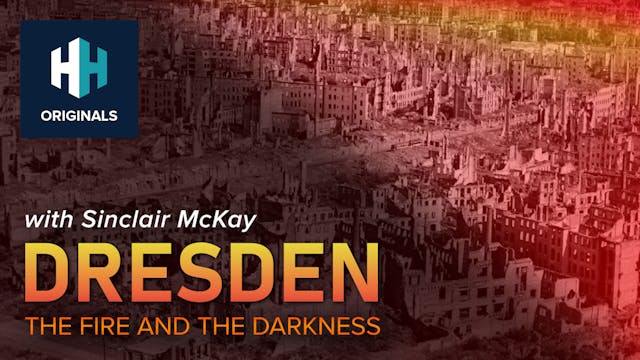
Dresden: The Fire and the Darkness
75 years ago this week Dresden, in Saxony, known as the ‘jewel box’ because of its stunning architecture was obliterated by British and American bombers. The flames reached almost a mile high. Around 25,000 people were thought to have been killed. The novelist Kurt Vonnegut was there. It was he w...
-
Strategic Bombing in World War Two wi...
Aviation historian Victoria Taylor answers key questions about the air war of World War Two: from the significance of the Dambusters raid to how we should remember "Bomber" Harris.
-
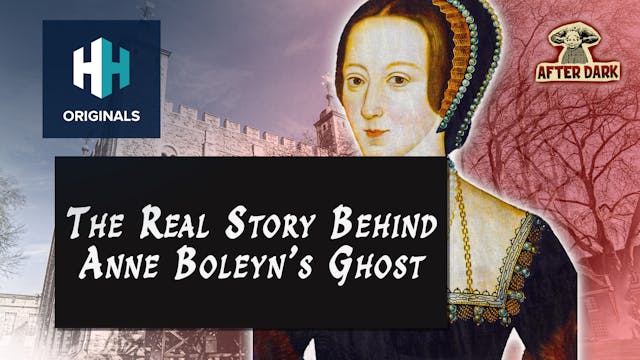
The Real Story Behind Anne Boleyn's G...
Get ready for carriages pulled by headless horses, spooky palaces, a weird floating cylinder thing...and a single moment in history that has haunted England, and now Britain's, imagination for hundreds of years.
In this episode of After Dark, Anthony and Maddy talk the ghost of Anne Boleyn, Quee...