
Versailles, the magnificent royal palace near Paris, home to a grandiose monarchy that was swept away in the Revolution. But there was another side to Versailles - this was also a Palace of Science.
In this special film, Dr. Maddy Pelling visits the Science Museum in London to explore a remarkable exhibition showcasing the fascinating scientific advances fostered by the French monarchy. We get a close up look at some unique objects, including the detailed map of the moon created by Cassini and the meticulously made obstetric models that Mme. Du Coudray designed to train midwives across France. With expert insights from curator Matthew Howles, we explore the studies of natural history in the menagerie, including a stuffed royal rhino, and one of the world’s very first hot air balloon flights that took off from the courtyard of Versailles in front of cheering crowds.
Maddy Pelling tracks the story of France’s drive for significant scientific and technological advances under Louis XIV, XV and XVI. Many were closely associated with furthering the power of France, from mapping the world to strengthening the population and creating lavish state-of-the-art diplomatic gifts, such as the gigantic Clock of the Creation of the World. Others were spectacular engineering triumphs for the personal benefit of the monarchy, including a beautifully intricate watch made with a limitless budget by Abraham-Louis Breguet for Marie Antoinette herself.
Join Maddy on a journey into opulence and science that will make you think again about Versailles.
To find out more visit the Science Museum's website at https://www.sciencemuseum.org.uk/see-and-do/versailles-science-and-splendour
Up Next in Historical Tours
-
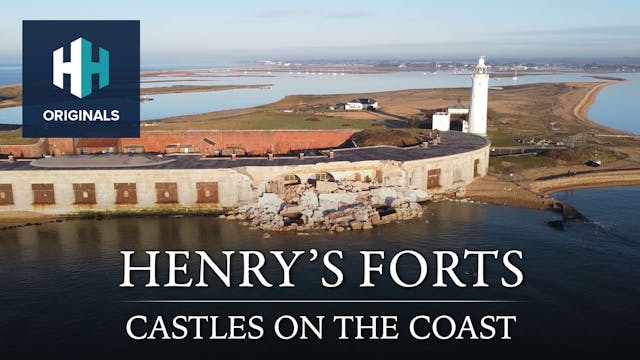
Henry's Forts: Castles on the Coast
On the 26 February 2021, around 38 metres of wall collapsed at Hurst Castle, one of a series of vital coastal forts built by Henry VIII in the 16th century to protect England from threat of invasion by the European powers. Recently, Dan went out on his kayak to assess the damage at the castle whi...
-
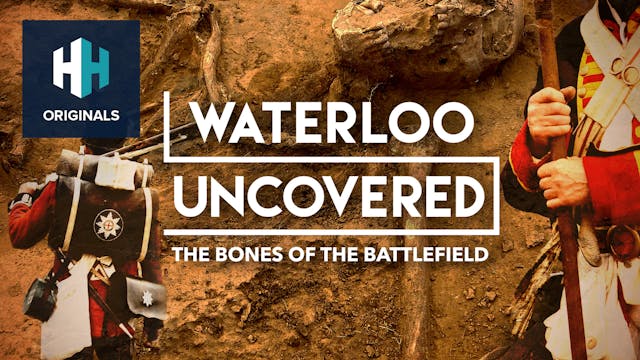
Waterloo Uncovered: The Bones of the ...
A major breaking story filmed by History Hit.
Incredibly rare bones of men and horses have been discovered in July 2022 at the Waterloo Battlefield - and History Hit has been there to record the excavations as they unfold.
The veterans support charity 'Waterloo Uncovered' returned to the Water...
-
The Auschwitz House
On the 80th anniversary of the liberation of Auschwitz Dan Snow and History Hit were given unique access to the house formerly home to the commandant of the concentration camp, Rudolf Höss.
Barely touched since the end of the second world war (and recently featured in the Oscar winning film The...

4 Comments