

In the heart of the French region of Burgundy, deep in a forest, lies a hidden city that had been dormant for 2,000 years. It’s called Bibracte, the most important oppidum in all of Gaul. That is where the Aedui, a Gallic tribe allied to the Romans, once built a fortified city on top of a mountain.
What did this 10,000-inhabitant ancient city look like? How did the builders manage to erect indestructible fortifications at a time when no other Gallic city featured such protection? How did archeologists decipher old pieces of wood despite the wear and tear of Father Time? And why did the Aedui suddenly abandon their capital?
Thanks to topographic maps using LIDAR technology as well as spectacular computer-generated imagery, you’re about to discover the evidence of galloping Romanization, notably through a sophisticated hydraulic system, a forum, and a basilica.
To this day, Bibracte remains a colossal excavation site, the remains of which continue to reveal long-lost secrets. As true investigators, archeologists unveil the craftiness and the genius of this ancient tribe at a turning point in the Roman Gallic era.
Up Next in Digging up History
-
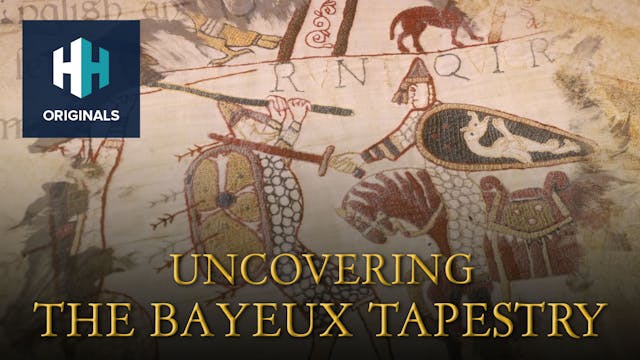
Uncovering The Bayeux Tapestry
One of the world's most famous and well-preserved pieces of medieval embroidery, the 70-metre-wide Bayeux Tapestry depicts the events leading up to the Norman conquest of England concerning William, Duke of Normandy, and Harold, Earl of Wessex, later King of England, culminating in the Battle of ...
-
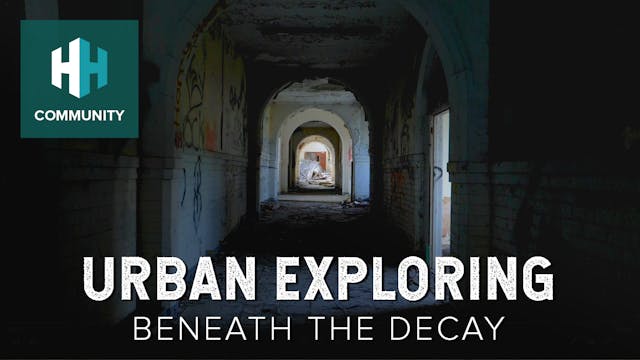
Urban Exploring: Beneath the Decay
As an emerging art historian, Victoria Jenner asks how she can make art and architecture more accessible for everyone. This film documents her journey into the wild exploration of abandoned structures and looks at accessibility in a variety of forms. Whether that be access to derelict buildings t...
-
The Maps That Made America
Susan Schulten presents a selection of maps from the fascinating collection of maps that feature in her book 'A History of America in 100 Maps'.

4 Comments