

Did women have more power in Iron Age Britain than elsewhere? New discoveries from Britain's largest known Iron Age cemetery suggest yes!
At the site of Duropolis in Dorset, excavations led by the University of Bournemouth are revealing the prominence of women in Britain's pre-Roman societies. New genetic research on human remains has shown the existence of matrilocal societies across Britain - where women stayed put and men joined these communities from elsewhere. This means land was likely passed down the female line.
Tristan Hughes heads to Dorset to find out more about this new research and how it is reshaping our view of Iron Age Britain. A fascinating, developing story that combines history, archaeology and new DNA evidence.
You can learn more about Duropolis and the Durotriges Dig project here - https://www.bournemouth.ac.uk/research/projects/durotriges-project
Up Next in Digging up History
-
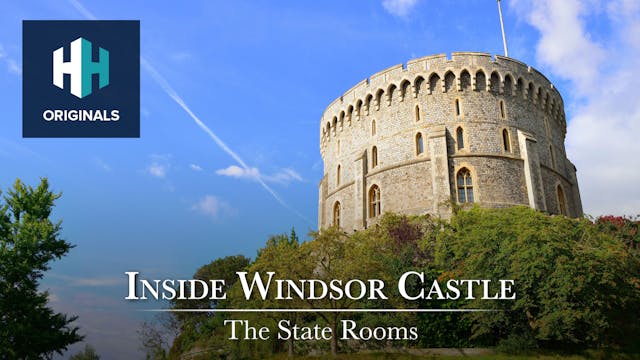
Inside Windsor Castle: The State Rooms
Windsor Castle has a legendary connection to the British monarchy: the longest-serving royal palace in the whole of Europe. Ever since the days of William the Conqueror, the Castle has dominated this strategic point on the banks of the Thames, overlooking west London. Over the next 1,000 years ki...
-
Tutankhamun: Treasures of the Golden ...
Tutankhamun, 'The Boy King' of Ancient Egypt, is one of history's most famous names. Though his short reign proved fairly-insignificant, his legacy lives on thanks to Howard Carter's discovery of his magnificent tomb in 1922. Now, as the centenary of Carter's discovery creeps ever nearer, many of...
-
A Tudor Wonder - Hardwick Hall - with...
A History Hit treat for the holidays, this special new film reveals an extraordinary Tudor life-story and an amazing creation. We meet the extraordinary Bess of Hardwick and go inside the incredible home she built, a spectacular construction in glass and stone that defined the elegance and grande...


8 Comments