
Around 800 BC, Britain entered the Iron Age. This era saw the gradual introduction of iron working technology, although the general adoption of iron artefacts did not become widespread until after 500-400 BC.
As the Iron Age progressed through the first millennium BC, strong regional groupings emerged, reflected in styles of pottery, metal objects and settlement types. Technological innovation increased and the population of Britain grew substantially, probably exceeding one million. This population growth was partly made possible by the introduction of new crops, including improved varieties of barley and wheat, and increased farming of peas, beans, flax and other crops.
Join bushcraft and survival expert Ray Mears in the third and final episode of our Ancient Britain series, as he explores the relics of Iron Age Britain. On his journey, Ray visits the magnificent forts at Malvern Hills and a recreation of an Iron Age village at Butser Ancient Farm in Chalton.
Up Next in Ancient
-
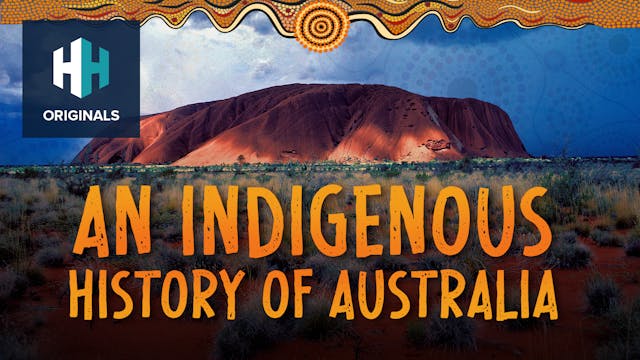
An Indigenous History of Australia
To date, there are over 500 different aboriginal 'nations' in Australia, all with distinctive cultures, beliefs, languages and unique histories. Since the arrival of Captain James Cook and the subsequent colonisation of the continent, many of these indigenous populations were, and continue to be ...
-
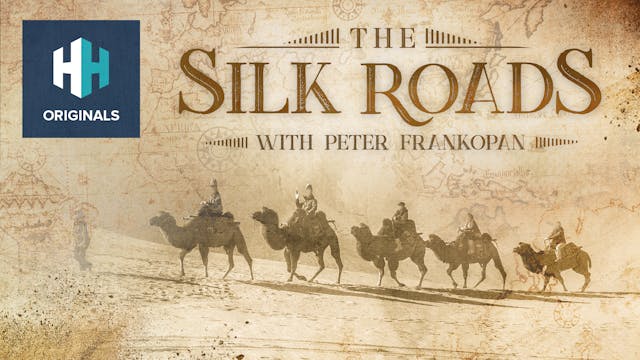
The Silk Roads with Peter Frankopan
In the East Meets West season, this is the starting point. Frankopan's rightly lauded book has done what it said on the cover: created a new history of the world. For way too long we Westerners have been espying history through the lens of our own success. But truth is, Britain only had its momen...
-
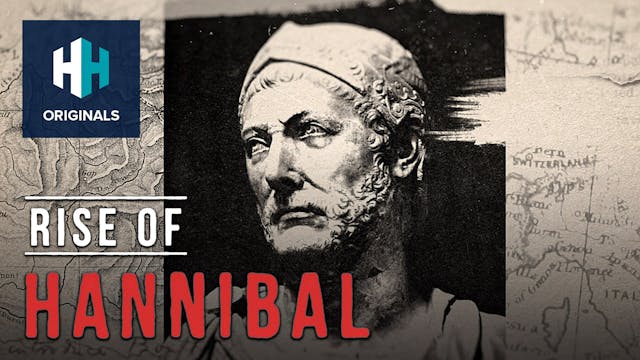
Rise Of Hannibal
He was one of the greatest enemies the Romans ever faced. An excellent general and a larger-than-life figure, who led an army across the alps and dealt a series of crushing defeats upon the Romans on Italian soil. His achievements have become a thing of legend and his name has become immortalised...
43 Comments